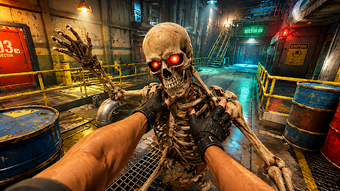
Physics-driven escape: Ragdoll Lab blends combat and experimentation
Ragdoll Lab: Physics Combat, from Game Kraft Studios, drops the player into a locked research facility after a failed experiment and sets an escape objective. The game pairs melee and ranged encounters with interactive environmental problem solving, highlighting manipulable objects, hidden areas, and physics-based puzzles. Its design targets players who enjoy sandbox experimentation and mobile action-adventure, and the developer's catalog of physics-focused titles frames the studio's design approach.
What kind of game is Ragdoll Lab?
The game puts the player in a sealed laboratory environment where progression depends on surviving encounters and opening new areas. Play alternates between combat sequences and puzzle rooms, with exploration rewarded by secret areas and unlockable lab sections. The narrative context, waking after a botched experiment, gives purpose to both examination and escape, so advancement requires adaptation to the facility rather than simple level grinding.
How does combat depend on physical interactions?
Combat outcomes hinge on the ragdoll engine and the advertised advanced 'bone physics' reactions, so force, direction, and object weight alter results. Players can use melee strikes, ranged fire, and environment manipulation to influence fights while hostile robotic sentries patrol and engage dynamically. The system supports emergent tactics in encounter design, including:
- pushing and throwing objects to disrupt enemies
- melee hits combined with physics reactions
- using found items as improvised weapons
How does the facility’s layout shape play and presentation?
Rooms range from high-tech test chambers to obstacle-filled spaces and dedicated combat zones, and layout emphasizes verticality and usable set pieces. Visual focus is on interactable props and mechanical fixtures that alter encounters, while hidden areas hide clues and rewards. The title runs on Android and recommends modern devices to preserve the fidelity of physics simulations, so performance and responsiveness depend on the player's hardware.
Is it hard to get started and does it keep players coming back?
The game includes challenging physics-based puzzles integrated into the escape narrative, which creates a measurable learning curve for mastering object interactions. Progression relies on finding access points and unlocking additional lab sections, encouraging replay to uncover missed secrets. Players who enjoy experimenting with mechanics will find repeat value in different approaches to the same rooms, while those preferring immediate, scripted results may face a steeper initial hurdle.
In summary, best for experimenters who accept a learning curve on mobile
The game aligns with the developer's history in action and simulation apps and carries a Google Play Teen rating, which positions it toward older children and teenagers. It suits players prepared to manage device performance and an exploratory mindset, and it is less appropriate for those seeking purely linear, family-safe arcade experiences. Expect the experience to depend on modern Android hardware and player patience.